
DeWalt XR 18V 3 Speed BL Impact Driver Naked-Body ONLY
A cordless power tool (18V, 200 Newton Metres), a capable pick for drilling and driving around the home and site.
A cordless drill is the one power tool every home needs. This guide explains what actually matters - torque, brushless motors, batteries - cuts through the voltage hype, and picks the best.
For most people a 18V brushless combi or drill/driver with a couple of batteries is the sweet spot. Judge a drill on its torque, motor type and battery (Ah), not the voltage number on the box. Decide between a kit (with batteries and charger) and a bare tool (body only) based on whether you already own batteries for that brand.
"20V max" and "18V" describe the same battery measured two ways (peak vs nominal voltage) - there's no real-world difference. What actually affects performance is the motor (brushless vs brushed), the torque rating, and the battery's amp-hours (Ah) for runtime. So compare those, not the marketing voltage.
Brushless motors run cooler, last longer, deliver more power and squeeze more work from each charge - they're worth the premium for regular use. Brushed motors are cheaper and perfectly fine for occasional DIY. If you'll use the drill often or for tougher jobs, choose brushless.
Most people are best served by a combi drill; add an impact driver if you drive a lot of long fixings.
Cordless batteries are brand- and platform-specific - a battery only fits tools on the same maker's system. Pick a brand whose ecosystem you're happy to grow into, since future tools share the batteries. A kit includes battery and charger (best if you're starting out); a bare tool is cheaper if you already have compatible batteries. Higher Ah = longer runtime.
A cordless power tool (18V, 200 Newton Metres), a capable pick for drilling and driving around the home and site.

A cordless power tool (18V, 50 Nm), a capable pick for drilling and driving around the home and site.

A cordless power tool (18V, brushless), a capable pick for drilling and driving around the home and site.

A cordless power tool (18V, 58 Nm), a capable pick for drilling and driving around the home and site.

A cordless power tool (18V, 44 Nm), a capable pick for drilling and driving around the home and site.

A cordless power tool (12V, brushless), a capable pick for drilling and driving around the home and site.

A cordless power tool (18V), a capable pick for drilling and driving around the home and site.
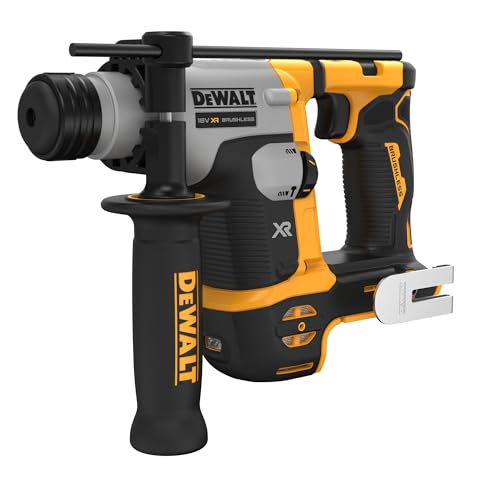
A cordless power tool (18V, 1.4 Newton Metres, brushless), a capable pick for drilling and driving around the home and site.

A cordless power tool (18V, 40 Nm), a capable pick for drilling and driving around the home and site.

A cordless power tool (18V, 50 Nm, brushless), a capable pick for drilling and driving around the home and site.
No - "20V max" and "18V" are the same battery measured two ways (peak vs nominal voltage). Judge a drill on torque, motor type and battery amp-hours, not the voltage label.
For most homes, an 18V brushless combi drill with a couple of batteries - it handles wood, metal and masonry. Choose a brand whose battery platform you're happy to build on.
Buy a kit (with battery and charger) if you're starting out. A bare tool is cheaper but only makes sense if you already own compatible batteries for that brand.
Our top pick is the DeWalt XR 18V 3 Speed BL Impact Driver Naked-Body ONLY (our score 9.6/10) - A cordless power tool (18V, 200 Newton Metres), a capable pick for drilling and driving around the home and site..